
Global Markets Under Pressure As Inflation And Geopolitics Collide
Introduction
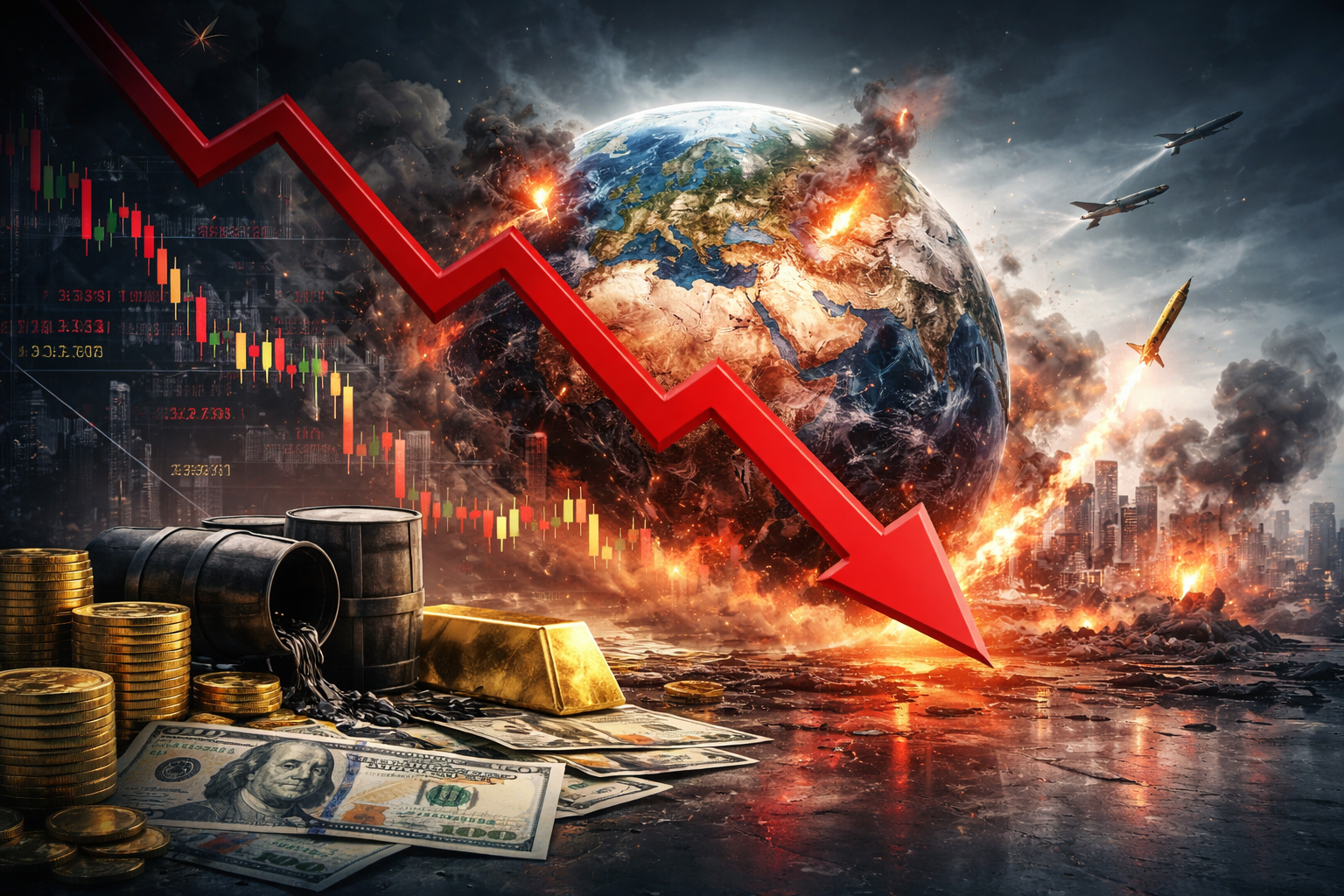
Global financial markets are entering a critical phase as investors grapple with the combined impact of rising inflation, geopolitical tensions and uncertainty surrounding economic growth. The latest developments highlight how deeply interconnected global markets have become with events in one region rapidly influencing economic conditions worldwide. In particular the ongoing conflict in the Middle East has emerged as a central force driving market volatility, energy price shocks and shifting expectations around monetary policy. At the same time upcoming economic data especially inflation readings are expected to provide crucial insight into how these external shocks are filtering into the broader economy
Inflation Takes Center Stage In Market Outlook
Inflation has once again become the focal point for global markets with investors closely watching upcoming data releases for signs of how economic conditions are evolving. The Consumer Price Index report is expected to show a notable increase reflecting the impact of rising energy costs and broader price pressures across the economy. Forecasts suggest a monthly increase of around 0.9 percent signaling a significant uptick compared to previous periods
This anticipated rise in inflation is largely driven by surging oil and gasoline prices which have climbed sharply in recent weeks. As energy costs rise they tend to ripple through the economy affecting transportation manufacturing and consumer goods. While some analysts believe that the full impact of these price increases may take time to materialize early indicators suggest that inflationary pressures are already building
The importance of inflation data extends beyond immediate market reactions. It plays a critical role in shaping expectations for central bank policy influencing decisions on interest rates liquidity and financial conditions. As a result even small deviations from expectations can trigger significant market movements
Middle East Conflict Drives Energy Shock
One of the most significant drivers of current market dynamics is the ongoing conflict involving the United States Israel and Iran. This geopolitical crisis has disrupted energy markets and created uncertainty around global oil supply. Crude oil prices have surged above 110 dollars per barrel marking a sharp increase and highlighting the vulnerability of energy markets to geopolitical risks
The Strait of Hormuz a critical shipping route for global oil supplies has become a focal point of concern. Any disruption in this region can have immediate and far reaching consequences for energy prices and global trade. As a result markets have become highly sensitive to developments in the conflict with oil prices acting as a key indicator of geopolitical risk
Higher energy prices are not only affecting markets but also placing pressure on consumers and businesses. Rising gasoline prices which have exceeded four dollars per gallon in the United States are increasing the cost of living and reducing disposable income
Stock Market Volatility And Investor Sentiment
Equity markets have experienced significant volatility in response to these developments. The S and P 500 index recently managed to break a five week losing streak offering a temporary sense of relief to investors. However the broader trend remains uncertain with the index still down from earlier highs due to concerns about geopolitical risks and economic conditions
Investor sentiment has been shaped by conflicting signals. On one hand there is optimism that corporate earnings may remain resilient despite the challenging environment. On the other hand the ongoing conflict and rising inflation have created a sense of caution leading many investors to adopt a more defensive stance
The interplay between these factors has resulted in a market environment characterized by rapid shifts in sentiment. Positive developments such as signs of de escalation in the conflict can lead to sharp market rallies. Conversely negative news can trigger equally swift declines reflecting the heightened sensitivity of markets to external events
Corporate Earnings Offer A Glimmer Of Hope
Amid the uncertainty corporate earnings are expected to play a crucial role in shaping market direction. Analysts anticipate that companies in the S and P 500 will report a year over year increase in earnings of approximately 14.4 percent for the first quarter. This growth is seen as a potential stabilizing factor for markets providing evidence of underlying economic resilience
The upcoming earnings season will provide valuable insight into how businesses are navigating the current environment. Companies across various sectors will offer guidance on demand trends cost pressures and future outlooks. This information will help investors assess the extent to which geopolitical and economic challenges are affecting corporate performance
However there are also risks associated with the earnings outlook. Higher energy costs supply chain disruptions and changing consumer behavior could weigh on profitability in certain sectors. As a result the earnings season is likely to be closely scrutinized for both positive and negative signals
Central Banks Face Policy Dilemmas
The evolving economic landscape has placed central banks in a difficult position. On one hand rising inflation suggests that monetary policy may need to remain tight to prevent further price increases. On the other hand the risk of slowing economic growth argues for a more accommodative approach
Recent developments indicate that expectations for interest rate cuts have diminished significantly. Markets are increasingly pricing in the possibility that central banks will keep rates higher for longer reflecting concerns about persistent inflation
This shift in expectations has important implications for financial markets. Higher interest rates tend to increase borrowing costs reduce liquidity and put pressure on asset prices. At the same time they can help stabilize inflation and support long term economic stability
Central banks are also dealing with heightened uncertainty making it more challenging to formulate policy decisions. The unpredictable nature of geopolitical events adds another layer of complexity as policymakers must consider a wide range of potential scenarios
Bond Markets And Interest Rate Expectations
Bond markets have responded to these developments with rising yields reflecting expectations of higher interest rates and increased inflation. The movement in bond yields is a key indicator of market sentiment providing insight into how investors perceive economic risks and opportunities
As yields rise they can have a significant impact on other asset classes including equities and real estate. Higher yields make bonds more attractive relative to stocks potentially leading to shifts in investment allocations. They also increase borrowing costs for governments and corporations affecting fiscal and investment decisions
The relationship between inflation interest rates and bond yields is a central theme in current market dynamics. Investors are closely monitoring these variables to gauge the direction of the economy and financial markets
Global Economic Implications
The effects of these developments are not limited to the United States but are being felt across the global economy. Rising energy prices and geopolitical uncertainty are affecting growth prospects in Europe, Asia and emerging markets. Countries that rely heavily on energy imports are particularly vulnerable as higher costs can strain budgets and reduce economic activity
International institutions have warned that the ongoing conflict could lead to higher global prices and slower economic growth. The extent of the impact will depend on factors such as the duration of the conflict the level of disruption to energy supplies and the response of policymakers
In addition to economic challenges there are also financial stability risks to consider. Increased volatility in markets can lead to liquidity issues and stress in certain sectors particularly those with high levels of debt or exposure to interest rate changes
The Role Of Oil In Shaping Market Trends
Oil has become a central driver of market behavior influencing everything from inflation expectations to investor sentiment. The sharp rise in oil prices has underscored the importance of energy markets in the global economy and highlighted the potential for geopolitical events to disrupt supply chains
The relationship between oil prices and inflation is particularly significant. As energy costs increase they contribute directly to higher inflation and indirectly affect other sectors of the economy. This dynamic creates a feedback loop where rising oil prices lead to higher inflation which in turn influences monetary policy and market conditions
Investors are therefore paying close attention to developments in the energy market recognizing that changes in oil prices can have far reaching implications for the broader economy
Navigating Uncertainty In Financial Markets
The current environment presents significant challenges for investors who must navigate a complex landscape of risks and opportunities. The combination of geopolitical tensions rising inflation and uncertain economic growth requires a careful and strategic approach to investment
Diversification risk management and a focus on long term fundamentals are becoming increasingly important in this context. Investors are also paying close attention to macroeconomic indicators and geopolitical developments recognizing that these factors can have a profound impact on market performance
At the same time periods of volatility can create opportunities for those who are able to identify undervalued assets and capitalize on market inefficiencies. The key is to remain informed adaptable and disciplined in the face of uncertainty
Conclusion
Global financial markets are at a pivotal moment shaped by the interplay of inflation geopolitical tensions and economic uncertainty. The ongoing conflict in the Middle East has introduced a new layer of complexity driving energy prices higher and influencing market dynamics across the world. At the same time upcoming inflation data and corporate earnings reports will provide critical insight into the state of the economy and the potential direction of markets
As investors and policymakers navigate this challenging environment the importance of adaptability and informed decision making cannot be overstated. The coming weeks are likely to be marked by continued volatility and rapid changes in sentiment underscoring the need for vigilance and strategic thinking. Ultimately the ability to understand and respond to these evolving dynamics will determine success in an increasingly uncertain financial landscape