
Wall Street Closes Lower As Oil Prices Surge Amid Middle East Conflict
Introduction
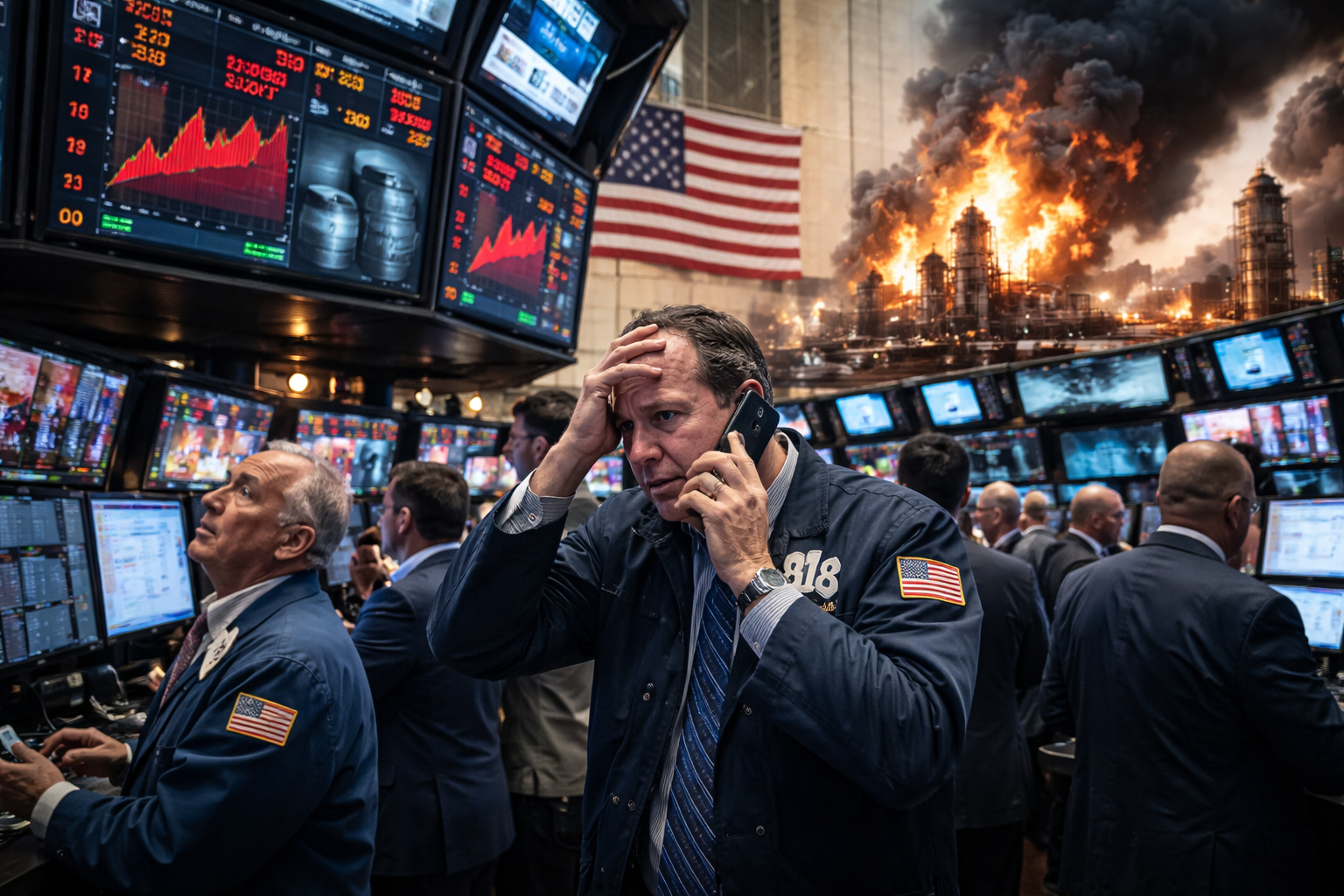
The United States stock market witnessed a striking downturn as major indices closed lower on Thursday following a significant surge in oil prices triggered by the escalating conflict in the Middle East. As the confrontation expanded into its sixth consecutive day, investors reacted sharply to the fallout from geopolitical tensions that threatened to disrupt global energy supply and fuel inflationary pressures. This market reaction has reverberated through Wall Street with heavy selling across key sectors and renewed concerns about the broader economic outlook and monetary policy trajectory.
The Escalation Of Conflict And Rising Oil Prices
The driving force behind the dramatic market movements was the escalation of a conflict involving key Middle Eastern nations that intensified risk perceptions among global investors. The confrontation drew in multiple actors and heightened the threat of supply disruptions in the world energy market. The Strait of Hormuz in particular became a focal point of concern as the conflict expanded. This narrow waterway situated at the mouth of the Persian Gulf is one of the most pivotal chokepoints for global energy shipments given that roughly 20 percent of the world’s oil supply traverses this route. Any disruption there has historically sent shockwaves through global commodities markets and altered investor expectations.
As tensions rose, oil prices experienced a sharp run up. U.S. crude futures climbed substantially reaching levels not seen since mid‑2024. Global benchmark Brent crude also registered notable gains as traders braced for protracted conflict and uncertainty about when peace might be restored. The fear that the flow of crude could be interrupted — whether through direct attacks on infrastructure or reduced tanker movements owing to safety concerns — drove energy prices higher. These moves in the energy complex quickly translated into concerns about inflationary pressures spilling over into broader economic metrics.
Wall Street’s Reaction: Major Indices Fall
Against this backdrop of elevated oil prices and geopolitical risk, U.S. stock markets struggled. Major indices including the Dow Jones Industrial Average, the S&P 500 and the Nasdaq Composite all finished significantly lower. The Dow experienced one of its steepest single‑session declines in recent memory, shedding hundreds of points as investors rebalanced portfolios away from equities perceived as vulnerable in an inflationary and volatile environment.
The broader S&P 500 also declined while the technology heavy Nasdaq Composite retreated. The sell‑off was broad based with industrials materials and healthcare sectors among the hardest hit. Shares of companies with significant exposure to rising input costs or cyclical demand concerns were particularly weak. Airlines and travel related stocks were especially penalized by investors who anticipated heightened fuel costs and potential disruptions to travel routes amid ongoing hostilities.
The declines were not limited to traditional cyclical sectors. Financial stocks such as those of major Wall Street banks were also lower as credit risk and market volatility weighed on sentiment. Investors appeared to be moving away from equities that might be hurt most by slowing economic growth and rising cost pressures.
Inflation Fears And Monetary Policy Implications
One of the most significant concerns for investors amid these developments was the potential for inflation to remain elevated for a more extended period. Rising oil prices have a direct impact on inflation measures as higher energy costs filter into transportation goods and services sector expenses. With inflation already a central concern for policymakers and markets alike, the resurgence of high energy costs put renewed pressure on expectations for monetary policy.
Before the latest conflict escalation, markets had been pricing in the prospect of future interest rate cuts by the U.S. Federal Reserve this year based on softer inflation data and expectations that economic growth would moderate. However the sharp uptick in oil prices altered that outlook. Financial markets began repricing the likelihood of rate relief with expectations of fewer or smaller rate cuts this year. Investors grew increasingly skeptical that the Fed would depart from its cautious stance if inflation metrics remained stubbornly elevated.
Strong labor market data and robust manufacturing and services sector indicators further reduced the immediate case for rate cuts. This combination of persistent inflation pressure and resilient economic activity made the Fed’s path forward more uncertain and weighed on risk sentiment in equity markets.
Sector Performance: Winners And Losers
While the overall market picture was overwhelmingly negative on the trading day in question, certain sectors displayed resilience or even modest strength. Energy stocks in particular saw gains as the price of oil climbed — a predictable response given their direct linkage to the oil market. Higher energy prices tend to improve revenue prospects for exploration and production companies and can support their stock valuations even as broader equities slide.
Technology stocks also provided a counterbalance to some degree. Select technology companies outperformed the broader market, supported by strong forward earnings projections and demand in key areas like artificial intelligence and cloud computing. Notably, certain chip designers and technology product companies saw their share prices rise as investors sought growth and innovation‑led opportunities within the broader market decline.
In contrast, sectors such as industrials healthcare and especially passenger airlines were among the weakest performers. Airlines were particularly hard hit by the combination of higher fuel costs and travel uncertainties arising from heightened geopolitical tensions. The airlines’ sub sector experienced some of the steepest declines of any group on the S&P 500 index.
Investor Psychology And Safe Havens
The recent market developments also triggered shifts in investor psychology and behavior. With heightened uncertainty and risk aversion, many traders moved toward assets traditionally perceived as safe havens. This flight to safety often manifests in increased demand for commodities such as gold, as well as government bonds and the U.S. dollar itself.
The preference for safer assets underlines the degree of unease among market participants. Investors were less inclined to hold risk assets amid concerns about prolonged conflict and its economic repercussions.
Sentiment in financial markets can often amplify price movements beyond what fundamentals might justify in the short term. In this instance, the psychological impact of geopolitical uncertainty reinforced the selling pressure in stocks and contributed to heightened volatility across asset classes.
Looking Ahead: Market Outlook And Risks
As markets attempt to digest the complex implications of these unfolding geopolitical tensions, several key questions remain. How long will the conflict persist and what will be the ultimate impact on global energy supplies? Will inflation continue to heat up as higher commodity prices filter into broader consumer goods and services sectors? How will central banks respond if inflation proves more resilient than expected?
Investors will be closely monitoring economic indicators, corporate earnings reports and statements by policymakers for signs of direction. Any indication that the conflict could be resolved or that energy supply disruptions could ease would likely provide relief to markets. Conversely, an escalation or expansion of hostilities could further unsettle financial markets and deepen the current downturn.
In the short term, risk asset volatility is likely to remain elevated. Traders may continue to shuffle portfolios toward defensive positions and safe‑haven assets until greater clarity emerges. Long‑term investors may also reassess their strategies in light of potential shifts in inflation dynamics and monetary policy outlooks.
Conclusion
The recent sell‑off on Wall Street in response to spiking oil prices and escalating Middle East conflict underscores the profound interconnectedness of geopolitical events and global financial markets. With major U.S. stock indices closing significantly lower and inflation concerns rising, investors were reminded how rapidly risk sentiment can shift when uncertainty looms large.
The market reaction was driven not just by the immediate impact on energy prices, but by the broader implications for inflation expectations, monetary policy decisions and corporate profitability. Despite pockets of resilience in sectors such as energy and technology, the overall market environment reflected heightened caution and risk aversion.